Spotting the sign early
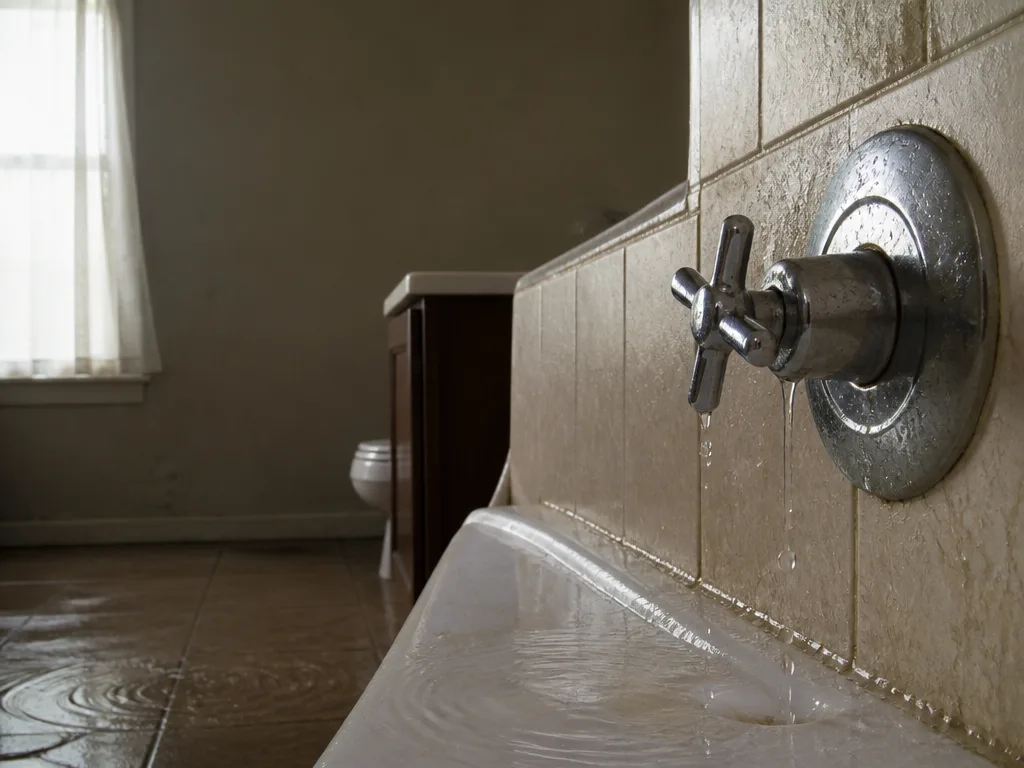
Mississippi homeowners often notice a shower valve that drips after use or leaks around the trim. A steady drip can waste water and drive up the bill. If you hear a quiet hiss when the valve is off, or you feel a sudden change in water temperature, treat it as a priority. These symptoms usually point to worn seats, stems, or cartridge in the valve body.
Our crews in Mississippi see these signs across the state, from the panhandle to the keys of coastal towns inland to rural neighborhoods. A leak may start small and worsen with time, so catching it early helps prevent larger damage and higher repair costs later.
What parts fail and why
The most common culprits are worn cartridges, bad seats, and corroded stems. In older homes, a single valve may control both hot and cold flows, which increases wear on internal components. When parts wear, a valve can’t seal properly, leading to drips and inconsistent water temperature. Seasonal shifts and hard water common in Mississippi can accelerate this wear.
Replacing a cartridge or seats with the right parts restores quiet, reliable operation. It’s not about a full remodel; it’s about restoring what the valve was meant to do.
What to do now
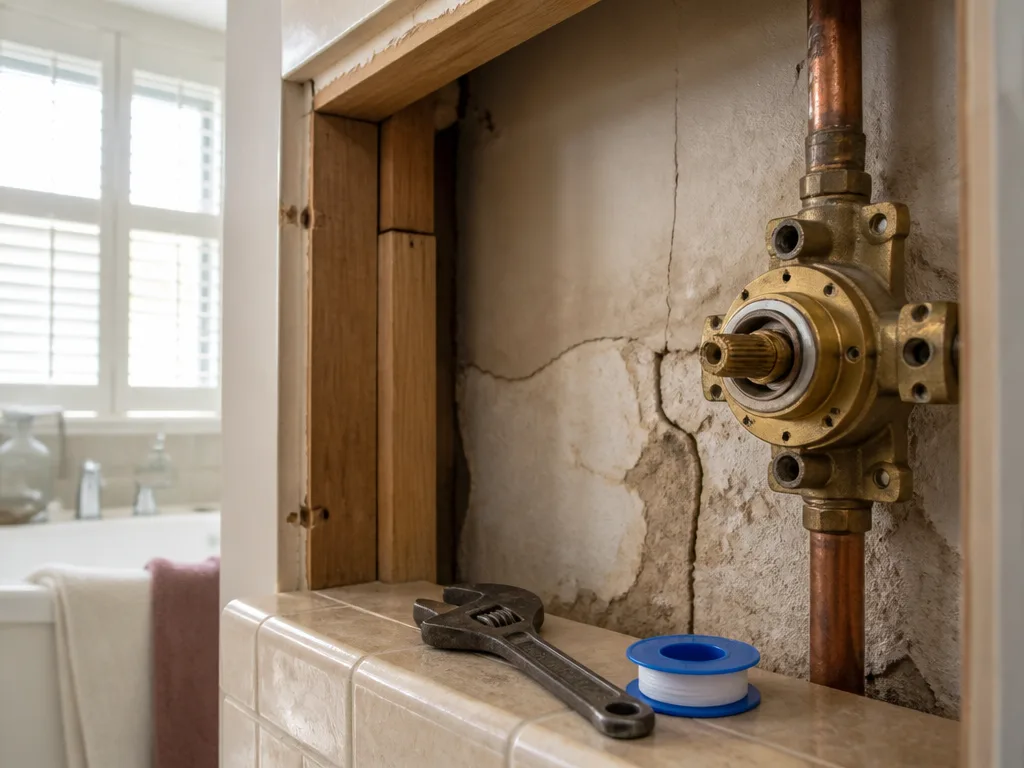
Turn off the shower supply to stop the dripping while you plan. If you’re comfortable, take a photo of the valve behind the access panel for a better parts match. Call Mississippi Shower Valve Repair for a thorough check. Our team will inspect the valve, confirm the issue, and explain options in plain terms. We’ll discuss whether a cartridge replacement is enough or if a seat or stem needs attention.
We’ll also review water pressure and the condition of surrounding fixtures. High pressure can accelerate wear on valves, so we may suggest a pressure check as part of the service. Across Mississippi, our crews bring years of local experience to the table and keep the work simple and transparent.
Quick tips to prevent future leaks
Keep an eye on noticeable changes in performance and address them soon. If your home uses hard water, consider a filtration regimen or a descaler as part of regular maintenance. After a repair, wipe down the valve area and check for any signs of moisture in the days that follow. Small precautions now save bigger headaches later.